May is National Bike Month!
Trailnet will be celebrating all month long with partners throughout St. Louis, and we want you to join in on the fun! Bike Month is a celebration of all the ways biking can connect us — to our neighborhoods, to one another, and to a healthier, more joyful way of getting around. Whether you’re a daily rider or just getting started, it’s a great time to explore new routes, join community events, and experience what biking can look like in your everyday life.
Scroll below to explore Bike Month events, safety tips, helpful resources, and the partners who make it all possible.

upcoming bike month events
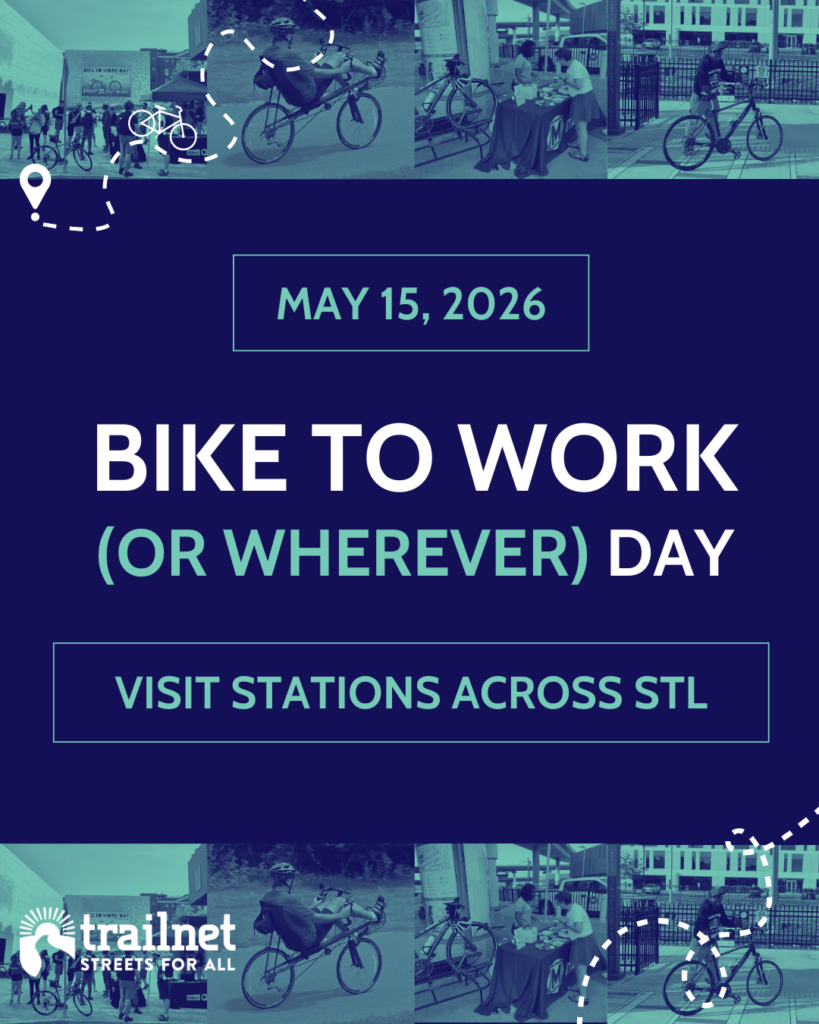
Bike to Work (Or Wherever) Day
Bike to Work (or Wherever) Day is one of the biggest celebrations of Bike Month, and it’s happening May 15, 2026.
Whether biking to work, school, or for recreation, stop by stations throughout St. Louis for refreshments, information, and encouragement.
Why Bike?
Less Traffic
Stronger Community Connection
Save Money
Physical Health
Mental Well-Being
Cleaner Air
Brought to you by General motors
Cyclists
Riding a bike is a fun, healthy, and efficient way to get around. When you ride, you’re part of the flow of traffic. Riding predictably, staying visible, and protecting yourself helps keep you, and others, safe on the road.
Be Predictable
Clear, predictable movement helps everyone navigate the street more safely. Riding with traffic, signaling your intentions, and following traffic laws can make your actions easier for others to understand and respond to.
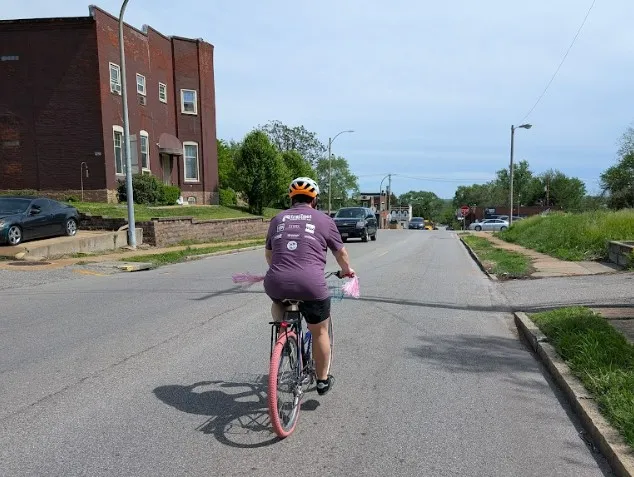
Ride with Traffic
Riding with traffic is not only safer, it’s the law in most places. Traveling in the same direction as cars makes your movements more predictable, helping drivers see you and understand where you’re going.
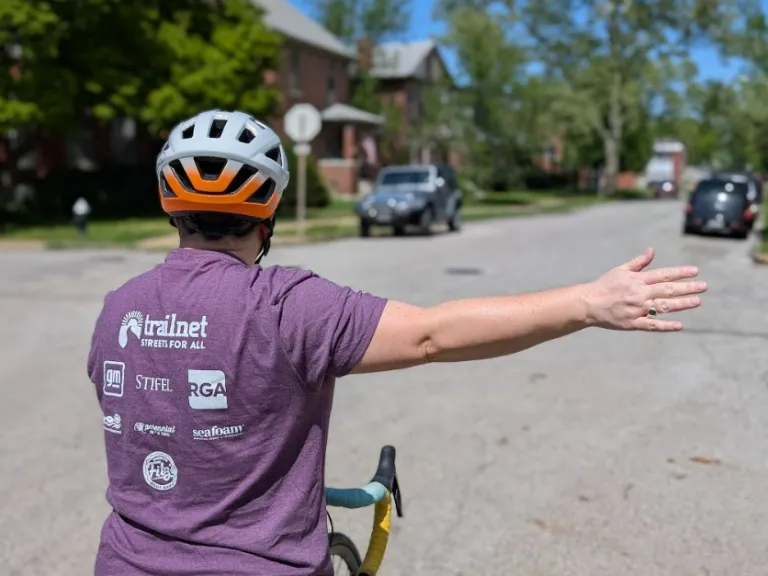
Signals – Right
To signal a right turn, extend your right arm straight out to the side before turning. Begin signaling early enough for others to see, and hold the signal until you start your turn.
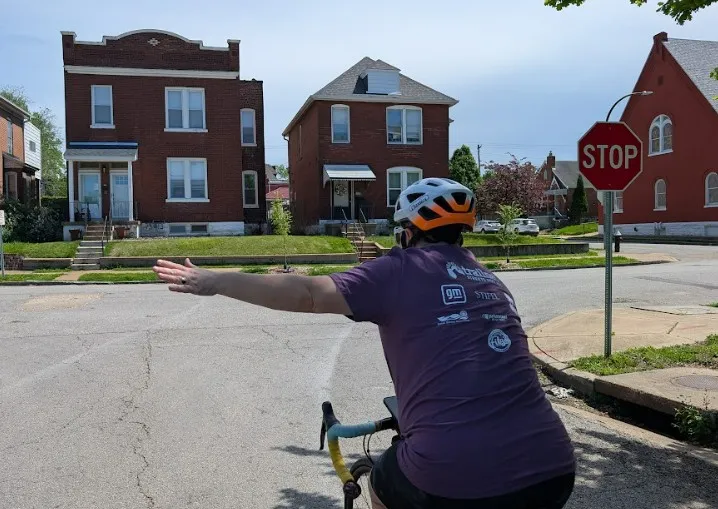
Signals – Left
To signal a left turn, extend your left arm straight out to the side. Start signaling before your turn so others can see, and keep your arm out until you begin turning.
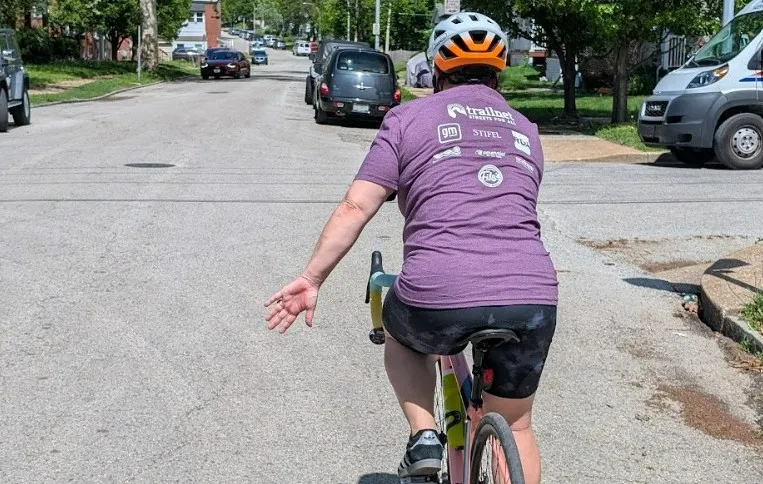
Signals – Stop
To signal a stop, extend your left arm downward with your palm facing behind you. Use this signal as you begin slowing so others can anticipate your stop.
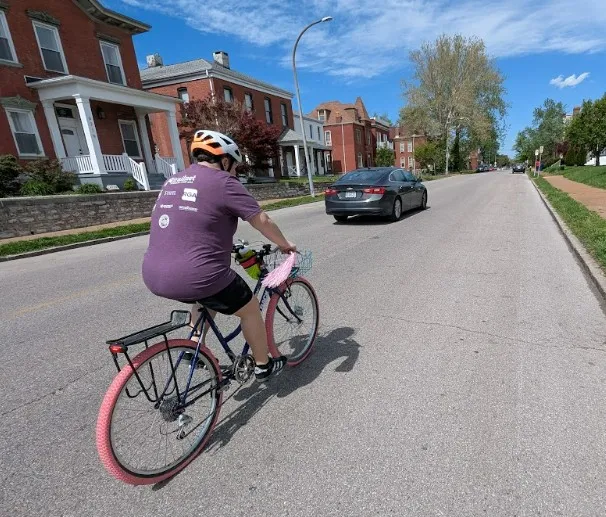
Follow Traffic Laws
Follow the same traffic laws as drivers, including stopping at stop signs and red lights. This helps make your movements more predictable and easier for others to understand.
Be Visible
Using lights helps make sure others can see you, especially in low light or at night. A white front light and red rear light improve your visibility and help others understand where you are on the road.
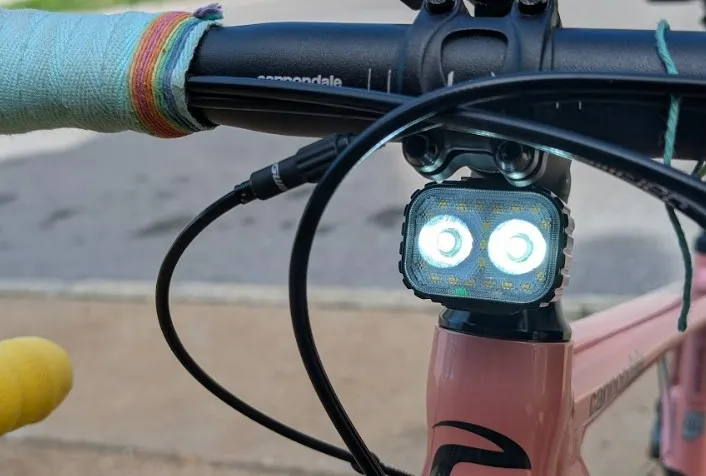
Front Lights
A white front light helps you see the road ahead and makes you visible to others. Use it when riding at night or in low-light conditions to help others recognize you from a distance.
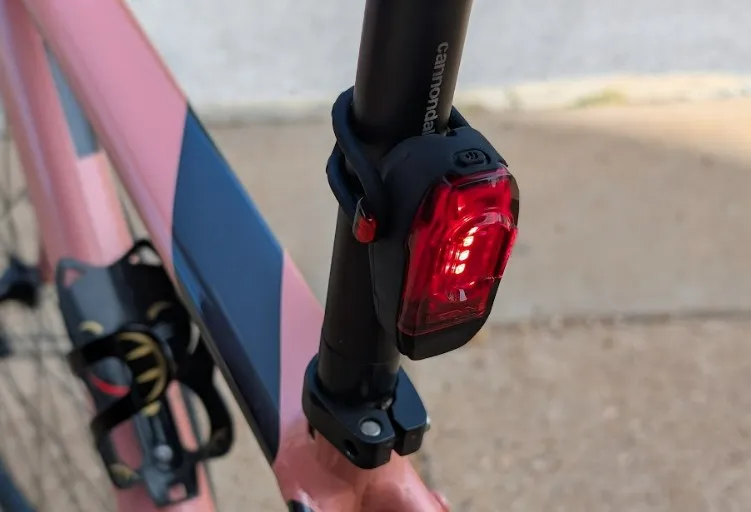
Rear Lights
A red rear light helps others see you from behind and understand your position on the road. Use it in low-light conditions or at night to make sure you’re visible to people approaching from behind.
Protect Yourself
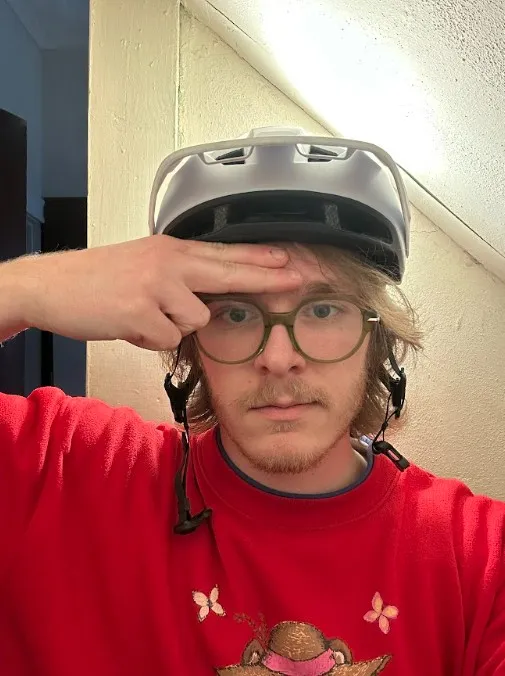
Helmet Step 1
Place your helmet on your head flat Make sure that the helmet is not facing up or down. You should be able to place two between your eyebrows and the helmet.
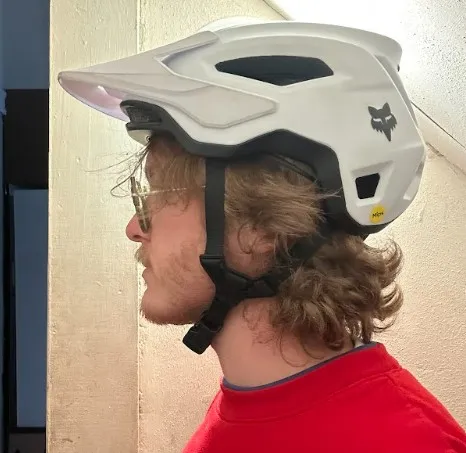
Helmet Step 2
To fit your helmet straps, make sure that the straps sit right below your ears in a Y Shape.
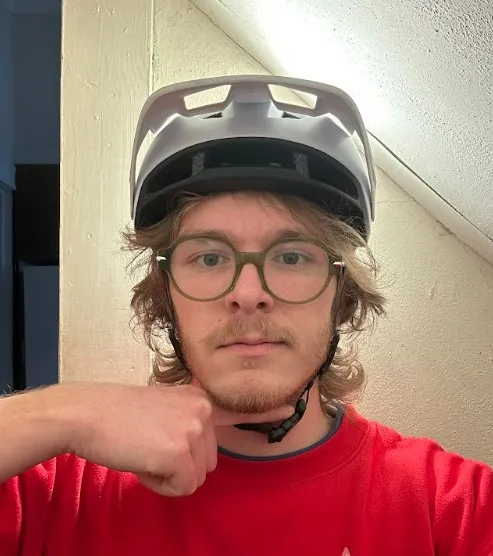
Helmet Step 3
Tighten the straps until you are only able to insert one finger between your chin and the strap. Then clip in.
Stay Aware
Staying aware of your surroundings helps you anticipate potential conflicts on the road. Keeping an eye out for things like opening car doors, turning vehicles, and busy intersections can help you navigate more safely.
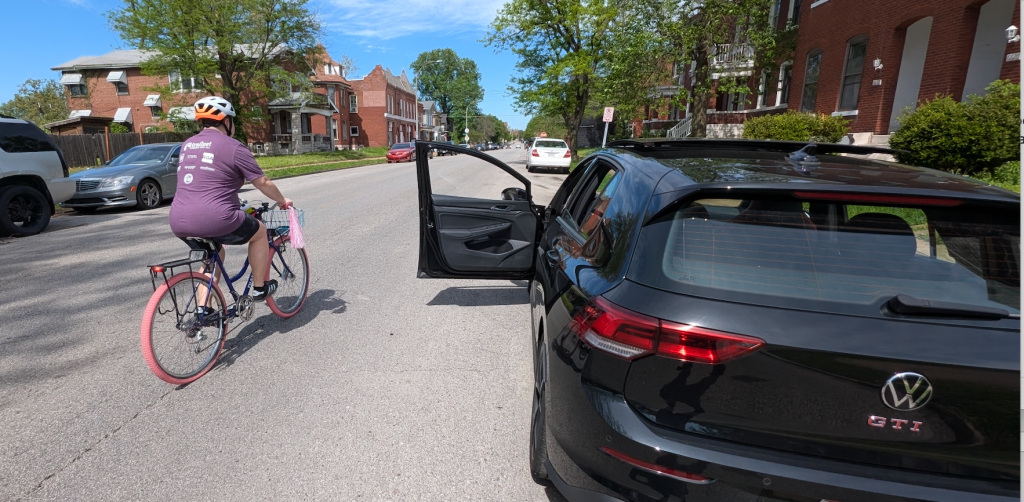
Watch for Car Doors
When possible, ride 3 – 4 feet to the left of parked cars. This will help to avoid car doors that may open.
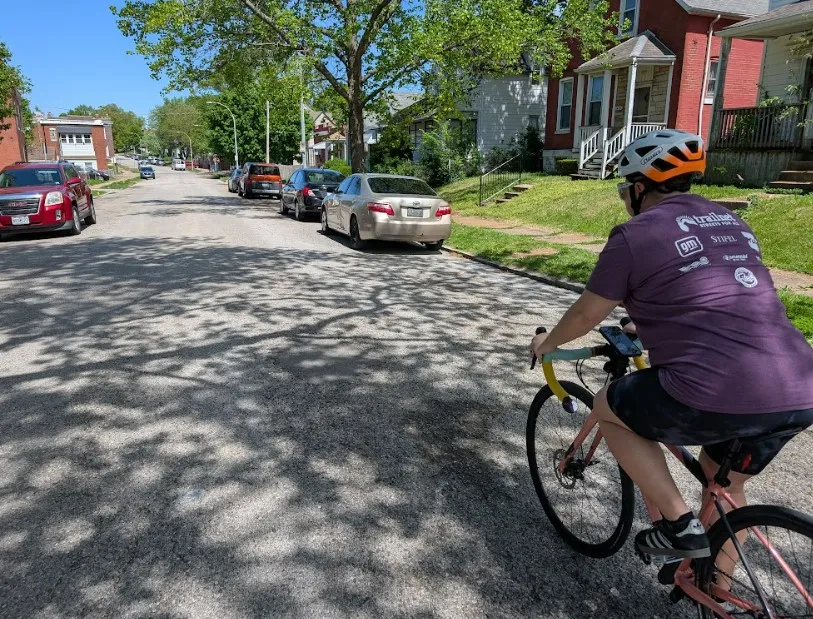
Scan for Cars
Always keep an eye on driver behavior and be
Brought to you by general motors
Drivers
Every driver has the ability to help keep people biking safe. Slowing down, looking carefully, and giving space are small actions that make a big difference for everyone using the road.
Give Space
Giving space is one of the most important ways to keep people biking safe. When passing, leave a minimum of three feet between your car and the person on a bike, and wait until it’s safe to pass. Being patient helps create a safer, less stressful experience for everyone on the road.
Three Feet
When passing a person on a bike, drivers should always leave at least 3 feet between their vehicle and the cyclist.

Wait to Pass Safely
Always wait to pass a person on a bike until you have a clear view of oncoming traffic. Make sure you have adequate time to pass slowly and carefully. Be aware of the cyclist’s speed and signaling. Only pass when you are able to do so safely.
Look First
Taking a moment to look before you move can prevent serious crashes. Checking for people biking before opening your door (Dutch reach), pulling out, or turning helps ensure the road is clear and everyone stays safer.
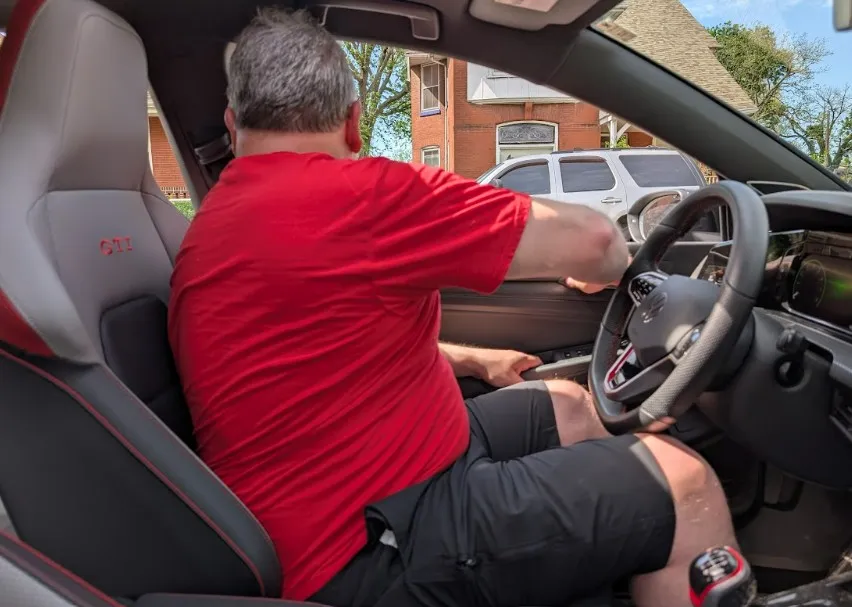
Dutch Reach
Use the Dutch Reach by opening your car door with your far hand (your right hand for the driver’s door). This naturally turns your body so you can see if someone biking is approaching before you open the door.
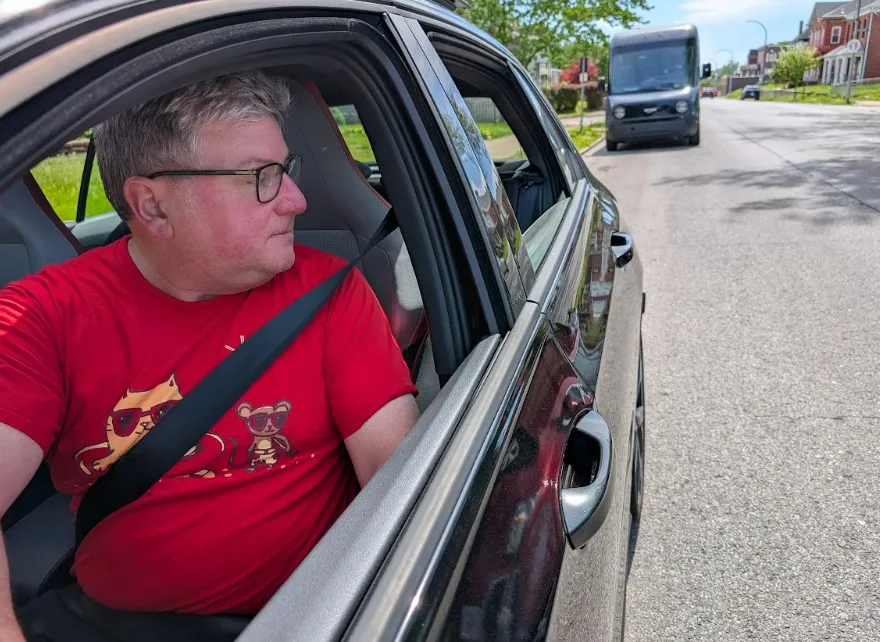
Check Behind You
Before pulling out of a parking space, or going to turn right, check for people biking approaching from behind. A quick look can help prevent pulling into someone’s path.
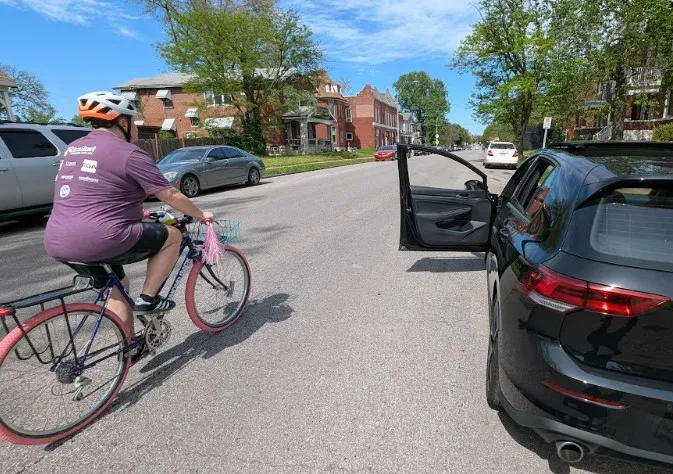
Dooring
Look for people biking before opening your car door. Opening a door without checking can put someone directly in harm’s way.
Respect Bike Lanes
Bike lanes are designed to give people biking a safer place to travel. Keeping them clear and yielding when crossing them helps prevent conflicts and keeps everyone moving safely.
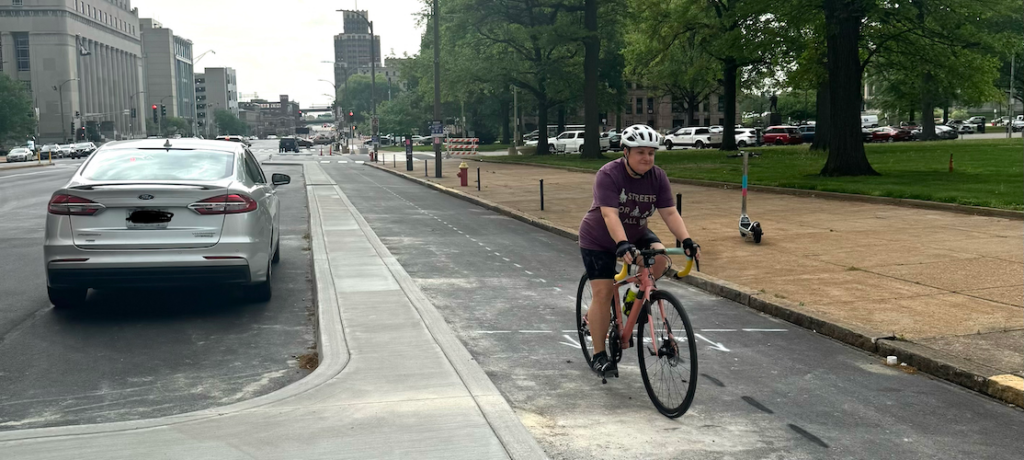
Don’t Block Bike Lanes
Bike lanes are infrastructure that serves individuals who bike and roll. Keep lanes clear —no driving in, pulling over, or parking in bike lanes.
Expect People Biking
People biking are part of everyday traffic; commuting to work, running errands, and visiting friends and family. Just like drivers, they’re simply getting where they need to go. Expect to see them on any street, even if you don’t notice them right away.
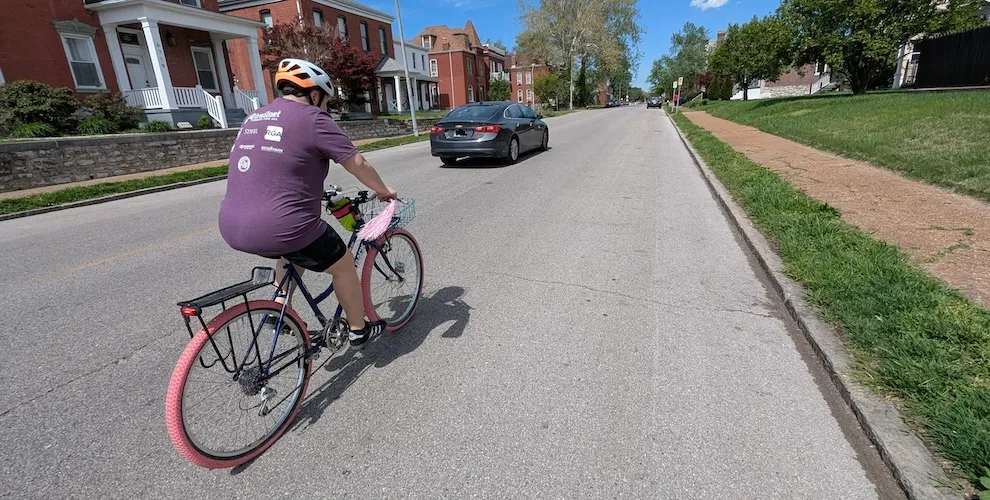
Bikes Are Traffic
Watch for people biking the same way you watch for other vehicles. They may be in the lane, at intersections, or alongside traffic — stay aware and give them your attention.
Resources
Visiting your local bike shop
Visiting your local bike shop is a great place to start if you want to learn more about biking. Staff can help you find the right equipment, answer questions, and many shops offer maintenance classes and group rides to help you build skills and confidence.
The League of American Bicyclists
You can also explore more in-depth safety tips and education through The League of American Bicyclists. Their resources cover everything from basic riding skills to best practices for staying safe on the road.
People For Bikes
For more on building better places to ride and creating safer, more bike-friendly communities, visit PeopleForBikes. They focus on improving infrastructure and supporting communities in making biking safer and more accessible for everyone.